Demographers Project Ukraine's Population Decline by 2030
By the beginning of 2030, the population in Ukraine's government-controlled areas could drop to 25.5–26.8 million due to the war, low birth rates, and migration.
 👥Society
Photo: TSN
Key points
- Population could drop to 25.5–26.8 million by 2030
- Women will outnumber men due to migration and war casualties
- Aging population and low birth rates present major challenges
- Future trends depend heavily on the course of the war
The issue of Ukraine's demographic future remains one of the most pressing challenges for national security and state planning. According to experts from the Institute for Demography and Social Research of the National Academy of Sciences of Ukraine, the population within government-controlled territories may decrease by the beginning of the next decade. The main drivers of this decline are the consequences of the full-scale invasion, a deep birth rate crisis, and the forced migration of millions of citizens.
Forecasts and Demographic Structure
Based on expert calculations, approximately 27 to 29 million people resided in the country at the beginning of 2026. However, by 2030, this figure could shrink to between 25.5 and 26.8 million, with a median projection of around 26.2 million. Specialists note that the accuracy of these calculations is accompanied by significant uncertainty due to the unpredictable nature of hostilities.
In addition to the overall population decrease, the age and gender structure of society is undergoing substantial distortion. Women are expected to continue outnumbering men, driven both by the mass exodus of female refugees and combat losses among military personnel. Concurrently, the proportion of elderly individuals will rapidly increase against the backdrop of a declining child population, as many working-age refugees and children currently remain abroad.
"The prospects are not very cheerful," summarized Oleksandr Gladun, Deputy Director of the Institute for Demography.
For local communities, such nationwide trends imply increasing pressure on the social sphere, labor markets, and municipal infrastructure. Shifts in the age structure will inevitably affect the operation of medical facilities, educational institutions, and social protection systems. Communities will need to adapt to new realities by finding ways to support families with children and facilitating the reintegration of veterans and returning citizens.
Source TSN — tsn.ua/ukrayina/skilky-liudey-zytyme-v-ukrayini-pislia-viyny-prohnoz-de… ↗
Read next
 🛡️Security
Frontline Update: General Staff Reports Over a Hundred Combat Clashes and Mass Shelling
The General Staff of the Armed Forces of Ukraine released an operational update on the frontline situation as of the morning of November 22, 2026. The highest enemy activ…
 🏙️City
The Philosophy of Repair: Why Brovary and Other Cities Are Adopting the 'Broken World Thinking'
Utility workers and local communities face daily reconstruction challenges, maintaining vital infrastructure amid ongoing crises.
 🎭Culture & Sport
Ukrainian Theatre in Europe: Touring Challenges, Audience Emotions, and Behind-the-Scenes Struggles
Producer Serhii Chudaiev shared how Ukrainian performances abroad become meeting places for compatriots, detailing the logistic and organizational hurdles organizers face…
 🛡️Security
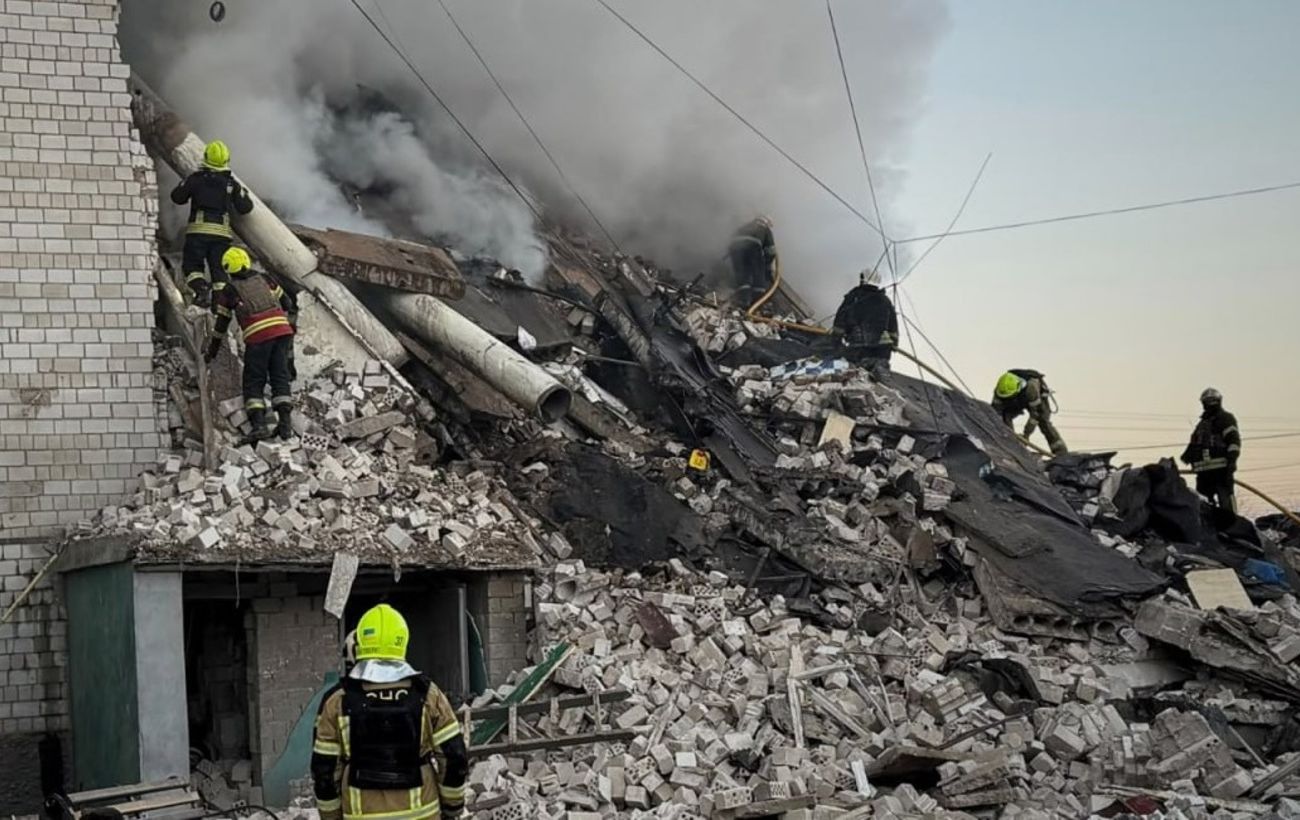
Strike on a residential building in Kyiv region: Search ongoing for 14 missing residents
Rescue operations continue after an enemy strike hit a five-story building in the Kyiv region, leaving 14 people unaccounted for.
 💼Economy
Basic food prices in supermarkets: where to shop for the best deals
An analysis of key food prices across popular Ukrainian retail chains reveals significant cost differences depending on brands and ongoing discounts.
 🛡️Security
Four strikes a day: Zhytomyr region's energy infrastructure targeted by enemy
Russian forces launched four drone strikes against energy infrastructure facilities in the Zhytomyr region within 24 hours, attempting to cut off electricity and heating.