US Imposes New Sanctions on Iranian Oil Proxies Targeting Key Financial Networks
The US Treasury Department has designated individuals involved in illicit oil sales that fund Iran's military activities and regional influence.
Key points
- US Treasury targets four Iranians facilitating illegal oil exports.
- Sanctioned individuals include relatives of high-ranking IRGC and sports officials.
- Illicit funds were used to purchase military equipment under the guise of agriculture.
The United States has expanded its sanctions regime against Iran, targeting specific individuals described as "oil proxies" who facilitate the illegal sale of petroleum products. According to the US Treasury, these networks are vital for the Iranian regime's ability to bypass international embargoes and fund its military operations, including the activities of the Islamic Revolutionary Guard Corps (IRGC).
High-Profile Individuals and Front Companies
The new sanctions list includes four Iranian nationals with significant ties to the country's security and sports establishments. Among them is Mohammad Javad Bavand, a former IRGC intelligence officer, and Majid Taj, the brother of the Iranian Football Federation's president. These individuals are accused of collecting funds from clandestine oil sales, diverting portions for personal gain while financing the regime's regional agenda.
Another key figure is Mohammadhossein Servati, the son of an IRGC brigadier general. He reportedly managed front companies that acted as intermediaries for shipping Iranian oil to refineries in China. By masking the origin of the cargo, these entities ensured a steady flow of revenue despite global restrictions.
Military Procurement Under Agricultural Cover
The sanctions also hit Mojtaba Arabnejad, son of the CEO of Mahan Air. Leveraging his family connections, Mojtaba allegedly participated in the procurement of aviation parts and weaponry for the Iranian armed forces. These transactions were often disguised as legitimate business activities of agricultural companies, providing a smokescreen for military logistics.
- Disrupting financial flows to the IRGC;
- Exposing family-based corruption networks;
- Targeting illicit supply chains to China.
By targeting these specific nodes in Iran's economic network, the US aims to degrade the regime's capacity to project power and support its proxies across the Middle East and beyond.
Source brovary.online — brovary.online/ssha-oholosyly-novi-sanktsii-proty-iranu/ ↗
Read next
 🛡️Security
Humanitarian initiatives and the frontline: ISW experts analyze evacuation proposals
Analysts from the Institute for the Study of War explain the difference between potential humanitarian corridors along the Dnipro and the unrealistic nature of Russian pr…
 💡Tech
Oil refinery attacked again in Novoshakhtinsk
On the night of November 23, the Novoshakhtinsk oil refinery in Russia's Rostov region was hit, an facility known for supplying fuel to the Russian military.
 🚨Events
Man killed in shooting in Kharkiv: police operation underway
On the evening of November 22, a shooting in Kharkiv resulted in one fatality. Law enforcement has launched a special police operation.
 💡Tech
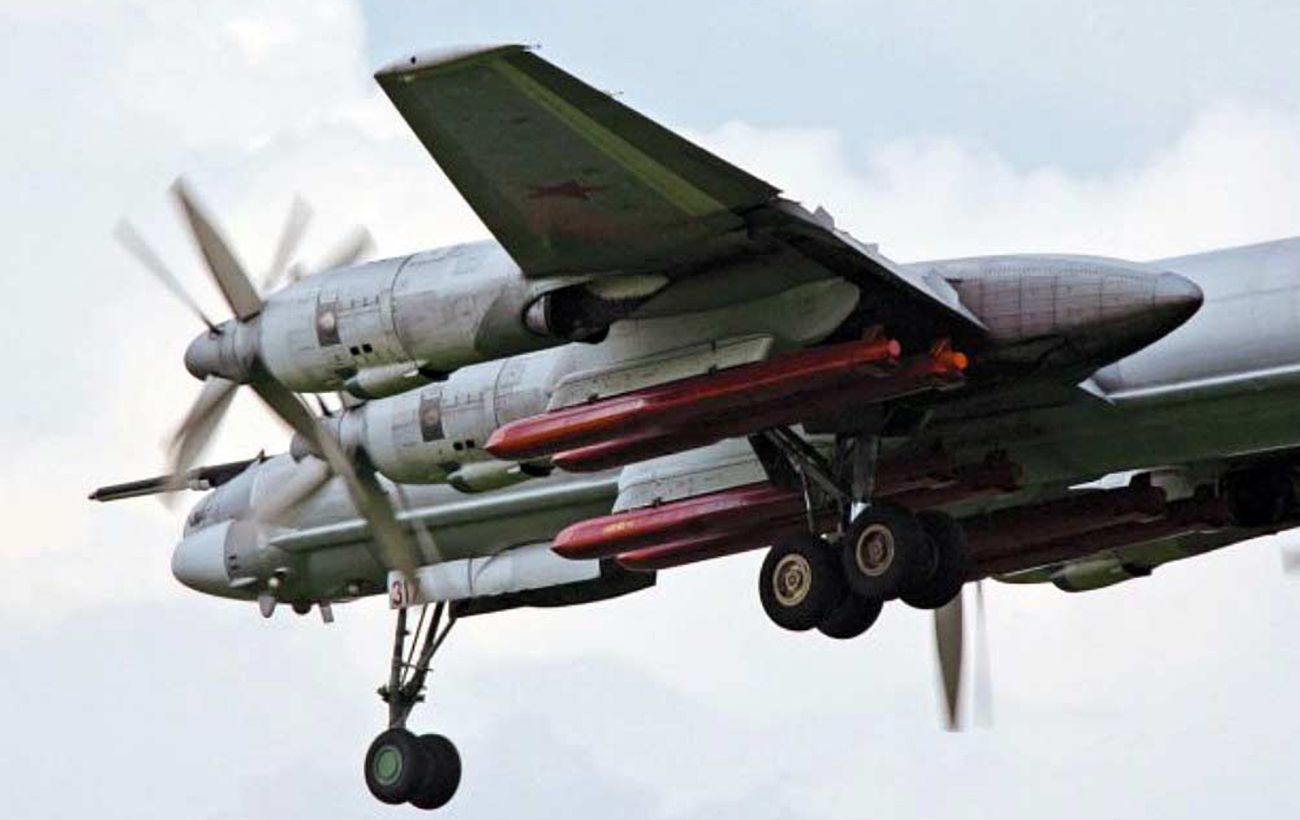
Fragments of Russian Kh-101 missiles produced in late 2026 found in Poland
Wreckage of the latest Russian cruise missiles has been discovered in eastern Poland. Experts confirmed the weapons were manufactured just weeks ago.
 🛡️Security
Charity auction in Lviv region raises UAH 60 million for Ukrainian defenders
A charity auction in the Lviv region successfully raised UAH 60 million to support the Ukrainian military and wounded veterans.
 👥Society
Russian Missiles Violate Polish Airspace: Warsaw's Response
Polish officials have labeled the entry of Russian missiles and a drone into their territory as a deliberate provocation.